


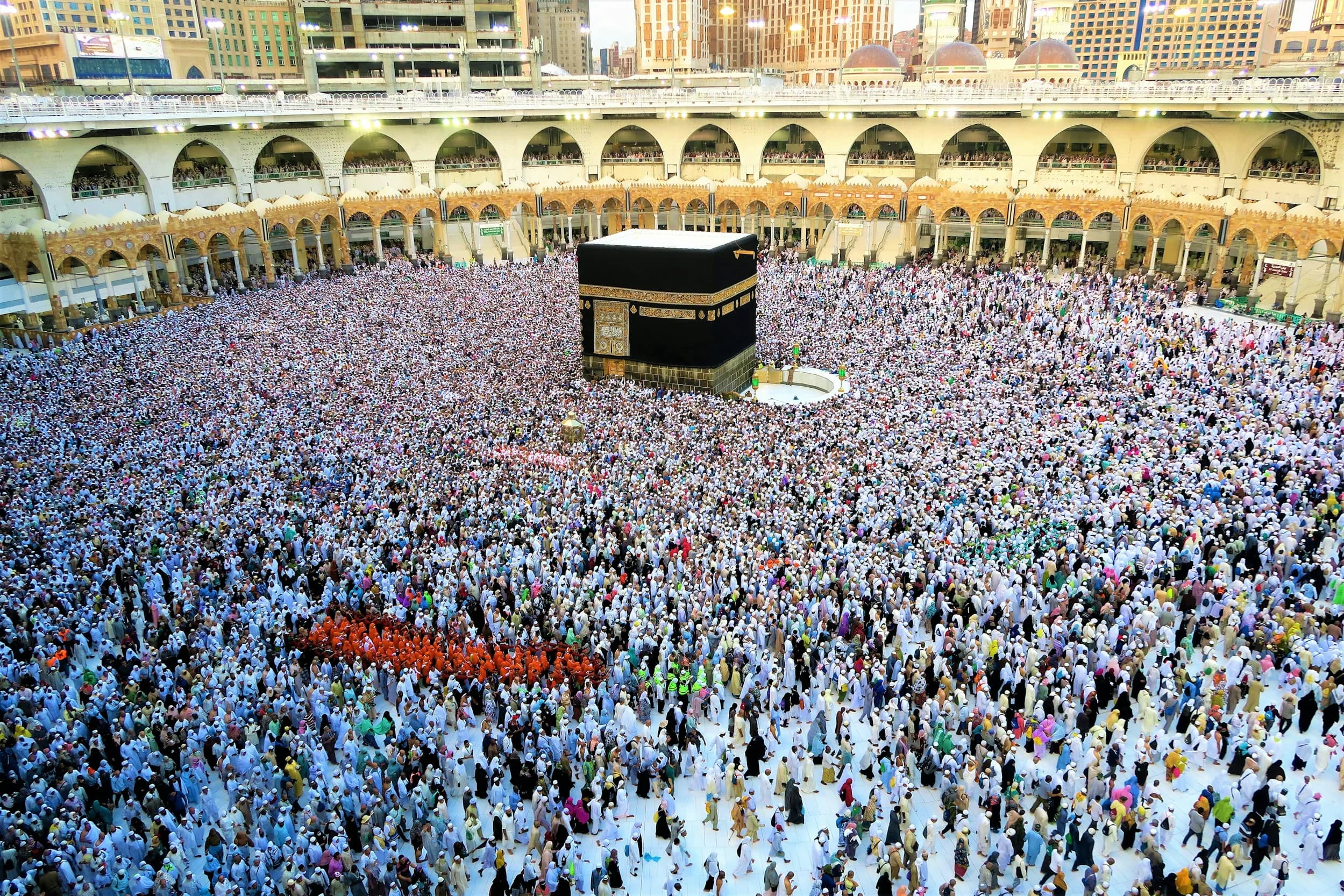
A Journey of a Lifetime
The journey to inner peace and spiritual transformation
Back to PackagesHajj — the Fifth Pillar of Islam
Hajj is the fifth pillar of Islam, obligatory once in a lifetime upon every adult Muslim who has the means to perform it. Below is the complete journey, step by step — from entering the state of Ihram to the farewell Tawaf before leaving Makkah.
The 12 Steps of Hajj
Follow the rites in the order they are performed, from the Meeqat to your final circuit around the Holy Kaaba.
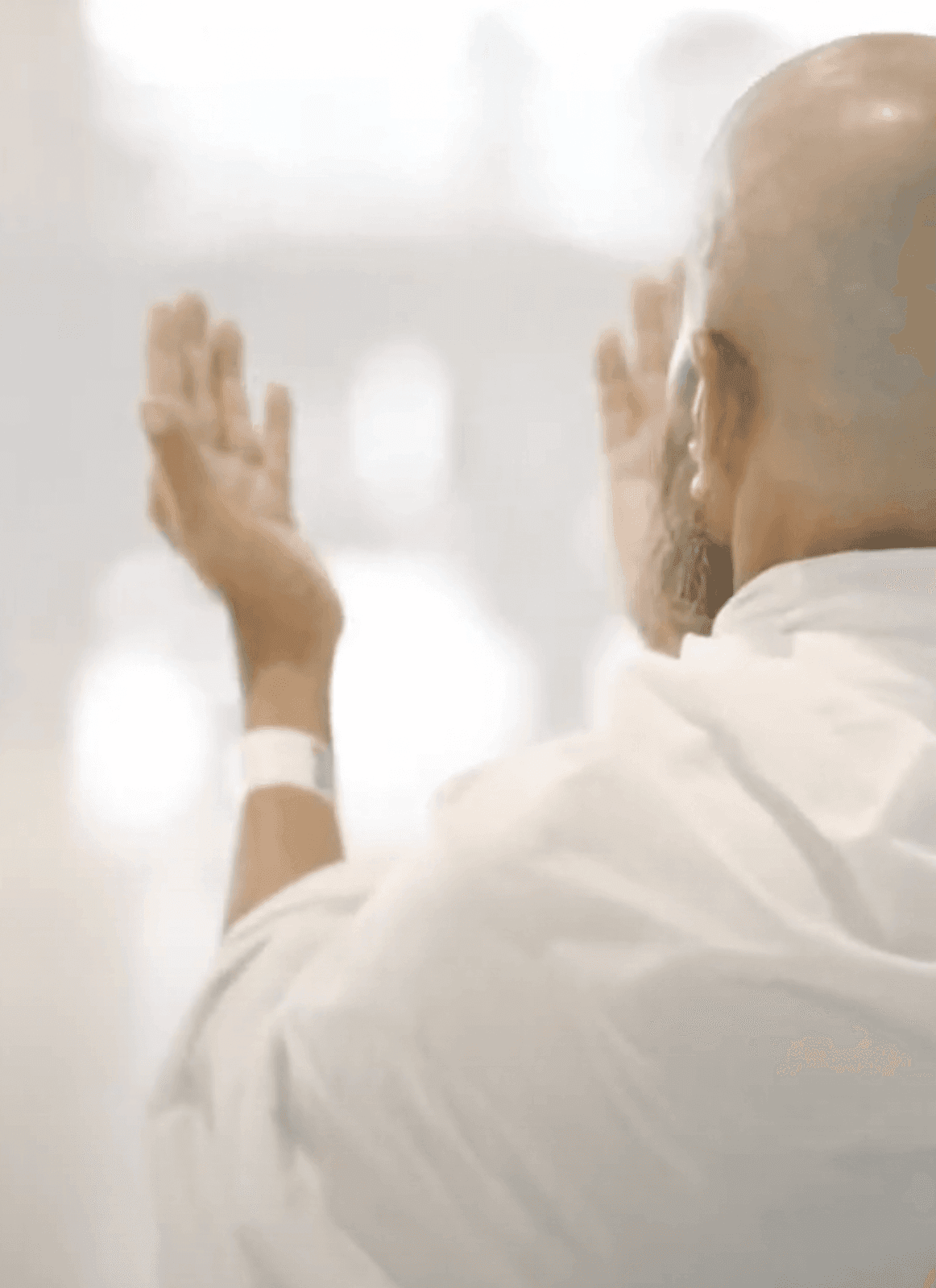
Ihram
Enter the state of Ihram with a sincere intention, recite the Talbiyah, and wear the prescribed white garments.
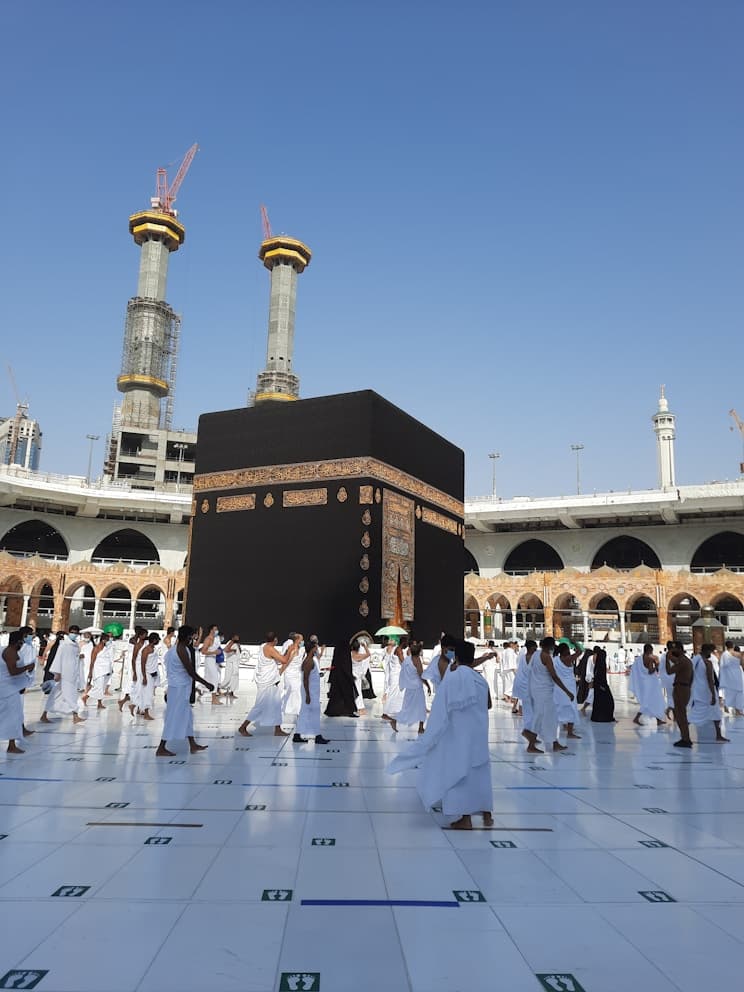
Tawaf Al-Qudum
Circle the Kaaba seven times, then pray two units behind Maqam Ibrahim if feasible.
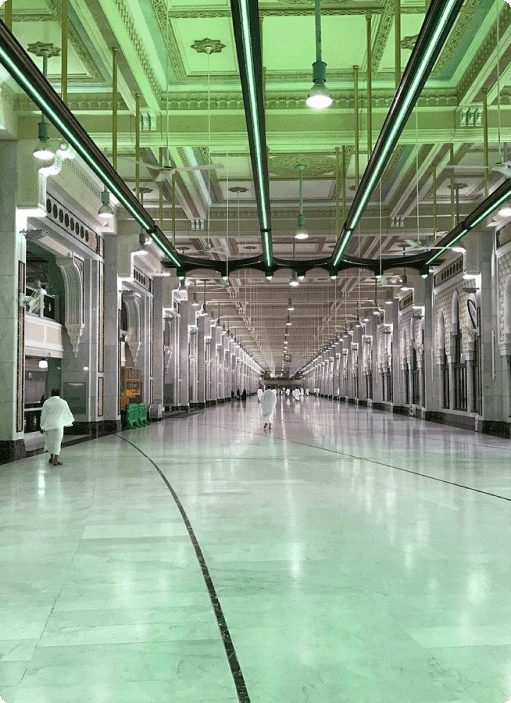
Sa'i between Safa and Marwah
Walk seven times between the two hills, beginning at Safa and finishing at Marwah.
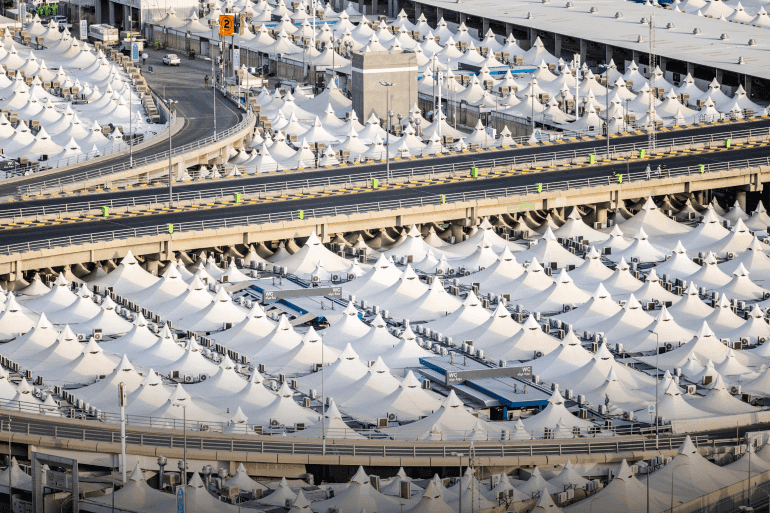
Mina (Day of Tarwiyah)
Arrive at Mina and spend the night there, devoting yourself to supplication and prayer until morning.
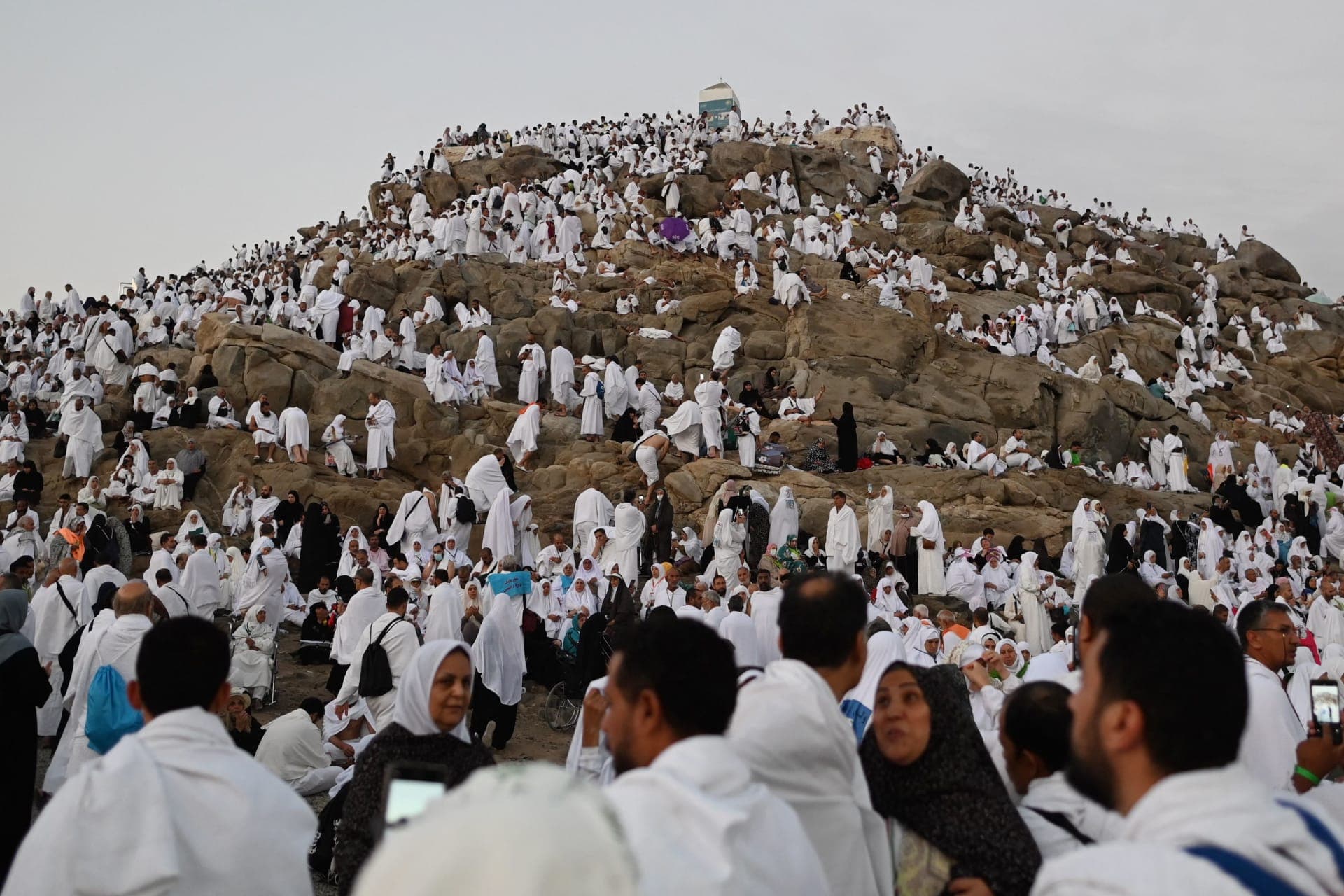
Arafah (Day of the Greater Hajj)
Stand at Arafat and devote yourself to Allah on this day until sunset.
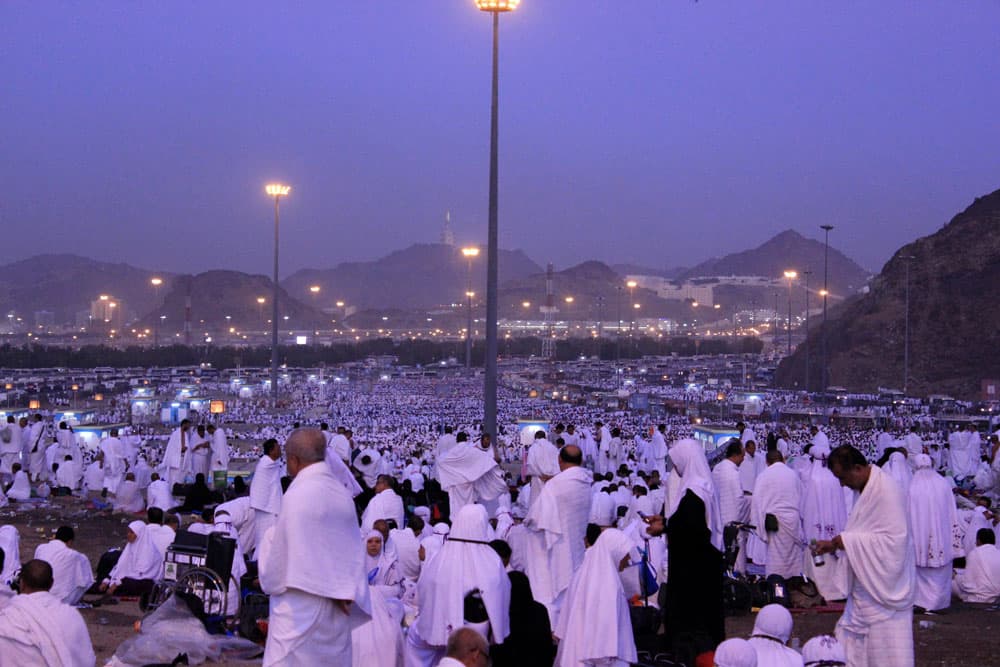
Muzdalifah
Spend the night at Muzdalifah and gather seven pebbles for the Jamarat rituals ahead.
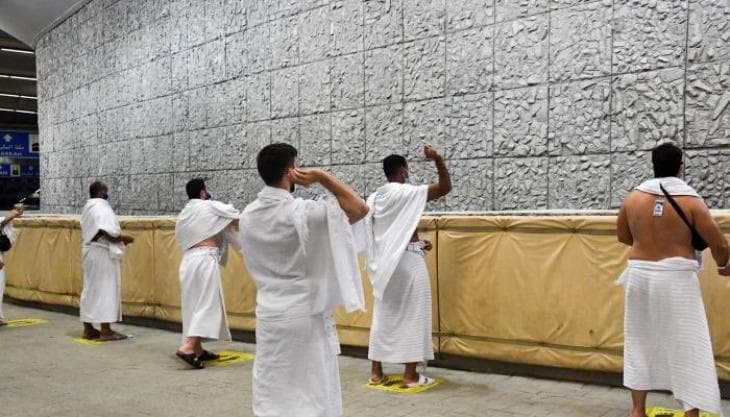
Pelt Jamrat Al-Aqabah
Cast seven pebbles at Jamrat Al-Aqabah while reciting the Takbeer.

Adhahi (the Sacrifice)
Present your offering to draw nearer to Allah and distribute it to those in need.
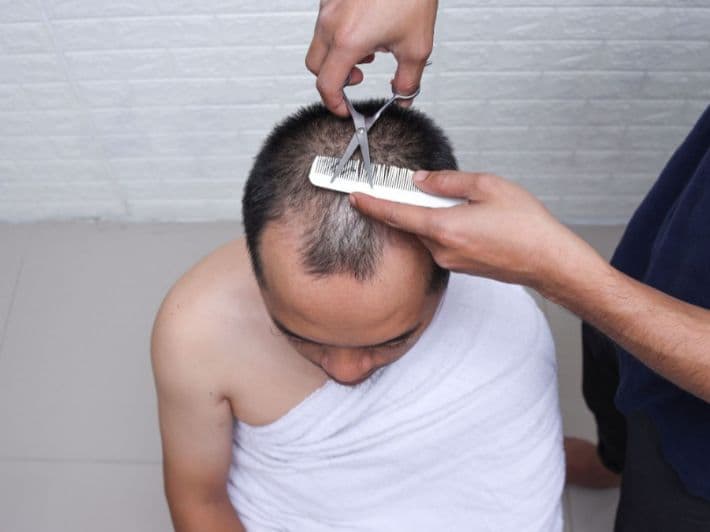
Shave or Trim Hair
Shave or trim your hair, remove the Ihram garments, and change into regular clothing.
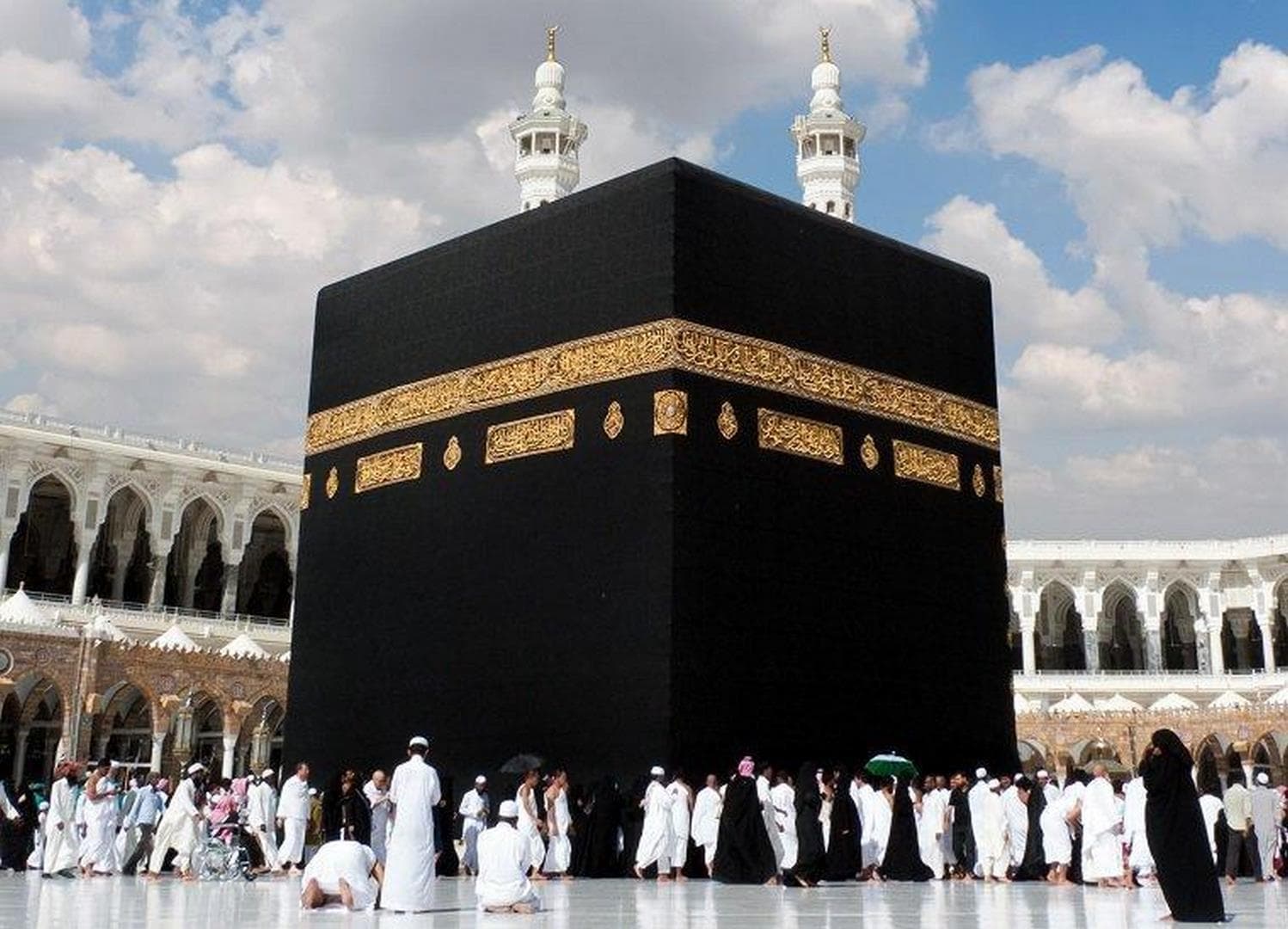
Tawaf Al-Ifada
Circle the Kaaba seven times and offer prayers behind Maqam Ibrahim if possible.
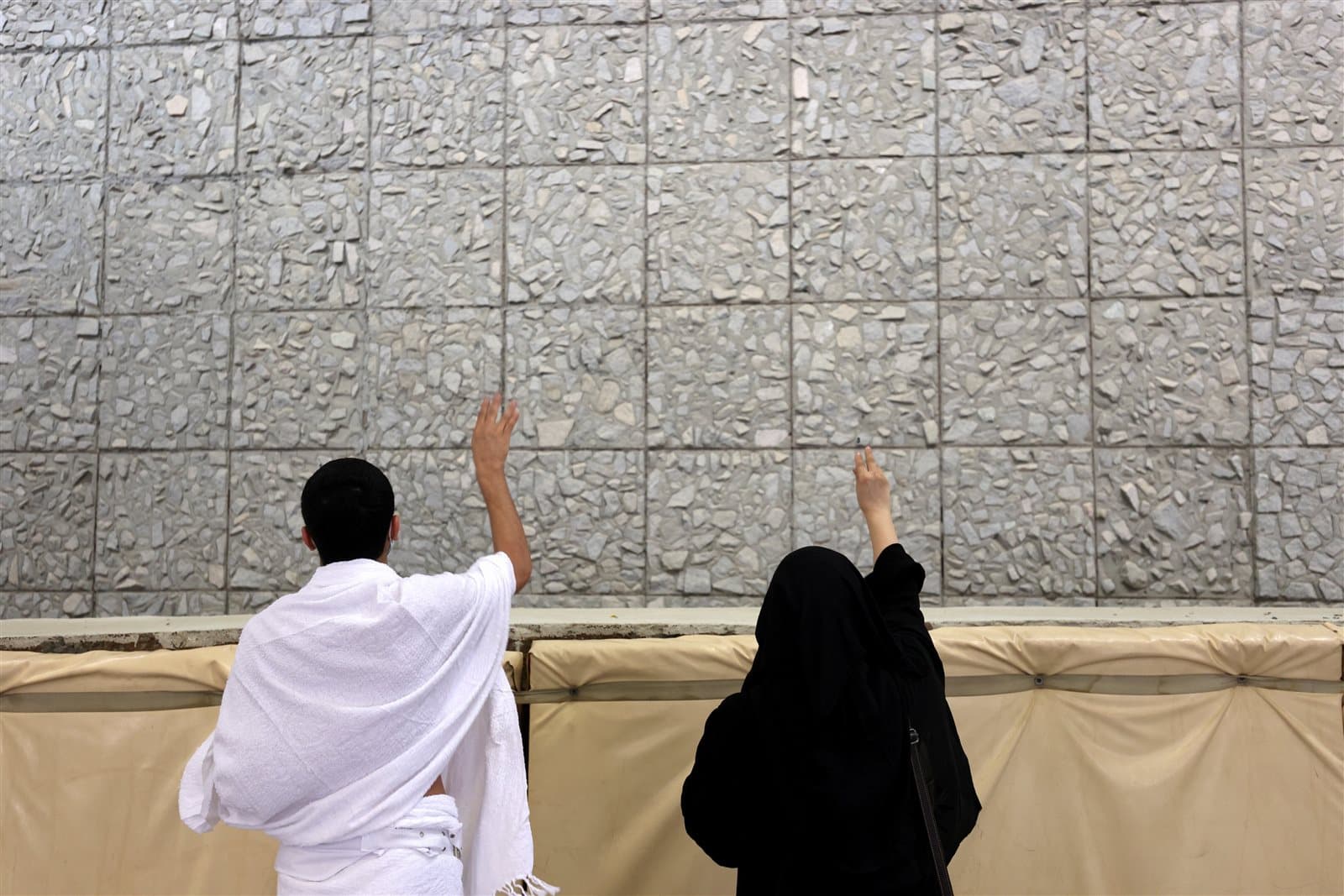
Pelting the Three Jamarat
Cast pebbles at all three pillars — Jamrat Al-Sughra, Jamrat Al-Wusta and Jamrat Al-Aqabah.
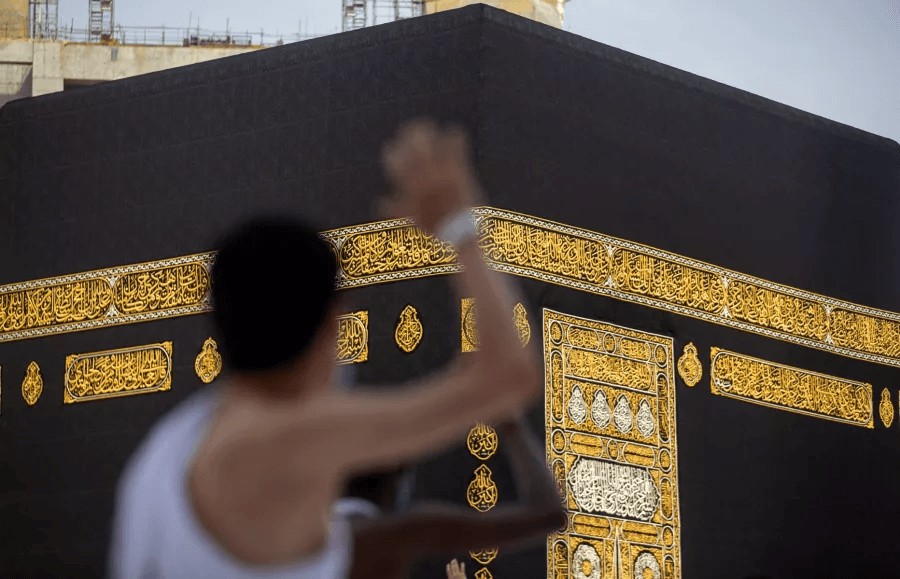
Tawaf Al-Wadaa
Perform the farewell circumambulation around the Kaaba seven times before leaving the city.
Al Ihram (The State of Consecration)
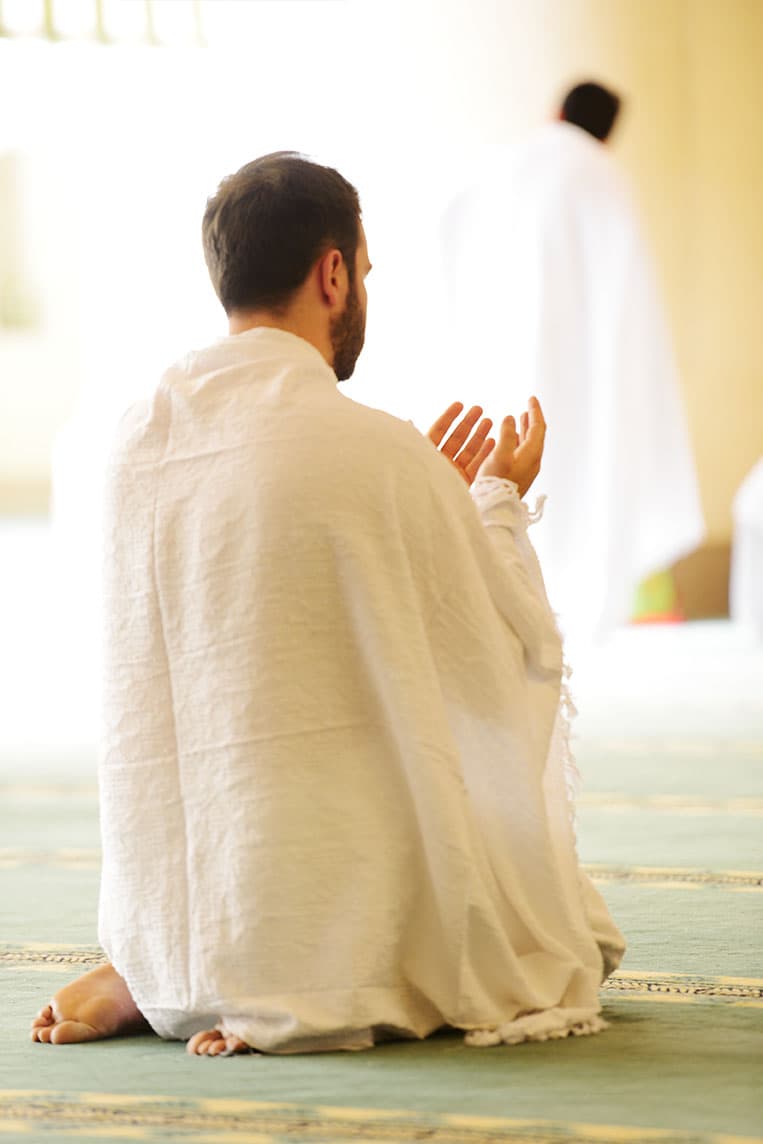
Ihram is a sacred state of ritual consecration and a specific dress code that Muslim pilgrims assume before embarking on the Hajj or Umrah pilgrimage. It involves wearing specific clothing and adhering to restrictions to enhance the pilgrim's spiritual focus and devotion during their journey. For men, wearing the Ihram attire is mandatory, while women can wear regular clothing. When the pilgrim is on a plane approaching the designated Miqat point by air, they must make their intention for Ihram. Upon reaching the Miqat area and reciting the Talbiyah, the pilgrim says, “Labbaik Allahumma Labbaik, Labbaik La Shareeka Laka Labbaik. Innal-Hamda Wan-Ni'mata Laka Wal-Mulk, La Shareeka Lak.” The pilgrim continues to recite the Talbiyah until reaching the holy places. During Ihram, pilgrims must adhere to specific prohibitions and restrictions.
There are three different modes of pilgrimage concerning Ihram
1. Al-Tamattu
In this mode, a person enters the state of Ihram for Umrah alone, saying, “Allahumma Labbaik 'Umrah.” After completing the Umrah, they exit the state of Ihram. Later, when the time for Hajj arrives, they enter the state of Ihram for Hajj from Makkah, and as part of the Tamattu pilgrimage, they must offer a sacrifice. This is considered the easiest way.
2. Al-Ifrad
In this mode, a person enters the state of Ihram for Hajj alone, saying, “Allahumma Labbaik Hajj.” They do not need to offer a sacrifice.
3. Al-Qiran
This mode involves entering the state of Ihram for both Hajj and Umrah together, saying, “Allahumma Labbaik Hajj and 'Umrah.” The Qiran pilgrim follows the same actions as the Ifrad pilgrim but must also offer a sacrifice.
Recommended Actions Before Entering Ihram
Before entering the sacred state of Ihram, there are several recommended actions (Sunnah) that pilgrims may choose to perform:
Ghusl (Ritual Bath):
It is advised to take a complete bath to purify oneself before entering Ihram.
Wearing Clean Clothing:
Wear clean and pure clothing for Ihram, consisting of two white, unsewn sheets.
Prayer:
Perform a voluntary two-unit (Rak'ah) prayer and sincerely supplicate, seeking Allah's blessings for your pilgrimage.
Trimming or Shaving Hair:
Men may trim their hair, and women can cut a small portion (not in Ihram).
Perfume:
A light fragrance is recommended but should not be applied directly to the Ihram sheets.
Recitation of Talbiyah:
Recite the Talbiyah (“Labbaik Allahumma Labbaik…”) to declare your intention and readiness for the pilgrimage.
Please note that these actions are not obligatory, meaning that the pilgrimage remains valid if they are not performed for any reason.
During the Hajj Pilgrimage
During the Hajj pilgrimage, certain actions and behaviours are strictly prohibited (Haram).
These include:
Engaging in Sexual Intercourse:
Having sexual interaction during the Hajj journey is prohibited.
Quarrelling or Disputing:
Avoid arguments, conflicts, and disputes with fellow pilgrims to maintain a peaceful and respectful environment.
Use of Foul Language:
Refrain from using offensive or foul language.
Physical Altercations:
Any form of physical violence or aggression is strictly prohibited.
Hunting or Killing Wildlife:
Hunting or killing animals, including insects, is prohibited during the pilgrimage.
Cutting or Trimming Hair or Nails:
Pilgrims in Ihram are prohibited from cutting or trimming their hair or nails.
Wearing Scented Products:
Excessive use of perfumes, scented oils, or scented soaps is prohibited in Ihram.
Engaging in Marital Relations:
Pilgrims are not permitted to engage in marital relations during the period of Ihram.
Covering the Face for Men:
Men in Ihram should not cover their faces, but women are permitted to do so if they wish to avoid attracting other men.
Engaging in Business Transactions:
Conducting business or trade during Hajj rituals is discouraged.
Wearing Regular Clothing:
Pilgrims should avoid wearing regular body-fitted clothing such as shirts, pants, trousers, socks, gloves, and shoes that cover the entire foot, including the ankle.
Despite these prohibitions, the Hajj pilgrimage remains valid and unaffected by any transgressions except for sexual intercourse. In all other cases, the Hajj is considered valid, but compensation (Fidyah) is obligatory.
Suggested and Preferred Acts (Sunnah) During Hajj
These suggested acts enhance the spiritual experience of Hajj and deepen your connection to the pilgrimage's profound significance.
Recitation of Talbiyah:
Continuously recite the Talbiyah (“Labbaik Allahumma Labbaik…”) as you enter Ihram and throughout the pilgrimage.
Du'a (Supplication):
Engage in heartfelt and sincere supplications, seeking forgiveness, guidance, and blessings from Allah.
Staying at Arafat:
Spending the day at Arafat is a significant Sunnah. It is the most crucial part of Hajj, and standing in worship and supplication during this time is highly recommended.
Stoning the Pillars:
While stoning the pillars in Mina, follow the tradition of the Prophet Muhammad by throwing small stones at the pillars calmly and without causing harm.
Tawaf Al-Wadaa (Farewell Tawaf):
Before leaving Makkah, perform an additional Tawaf called Tawaf Al-Wadaa as a farewell gesture.
Qurbani (Sacrifice):
An animal sacrifice is recommended for those performing Hajj. This act symbolizes the sacrifice of Prophet Ibrahim and is a Sunnah during the days of Hajj.
Seeking Forgiveness and Repentance:
Hajj is an excellent opportunity to seek forgiveness for past sins and sincerely repent.
Visiting Al-Masjid Al-Nabawi in Al-Madinah:
If your journey allows, visit the Prophet's Mosque in Al-Madinah and offer salutations to the Prophet Muhammad.
Recitation of the Quran:
Recite and reflect upon the Quran during your Hajj journey for spiritual benefit.
Kindness and Patience:
Display patience and kindness towards fellow pilgrims and those you encounter during your journey.
Sunnah Acts of Tawaf
Men uncover their right shoulder during Tawaf.
Men walk briskly in the first three circuits of the Tawaf.
Pray two rak'ahs behind Maqam Ibrahim after the Tawaf.
Men jog (in the marked area) between Safa and Marwa.
Ready to begin your journey?
Explore our Hajj and Umrah packages, or book an appointment with our pilgrimage team for guidance on visas, travel and accommodation.
View Hajj & Umrah Packages